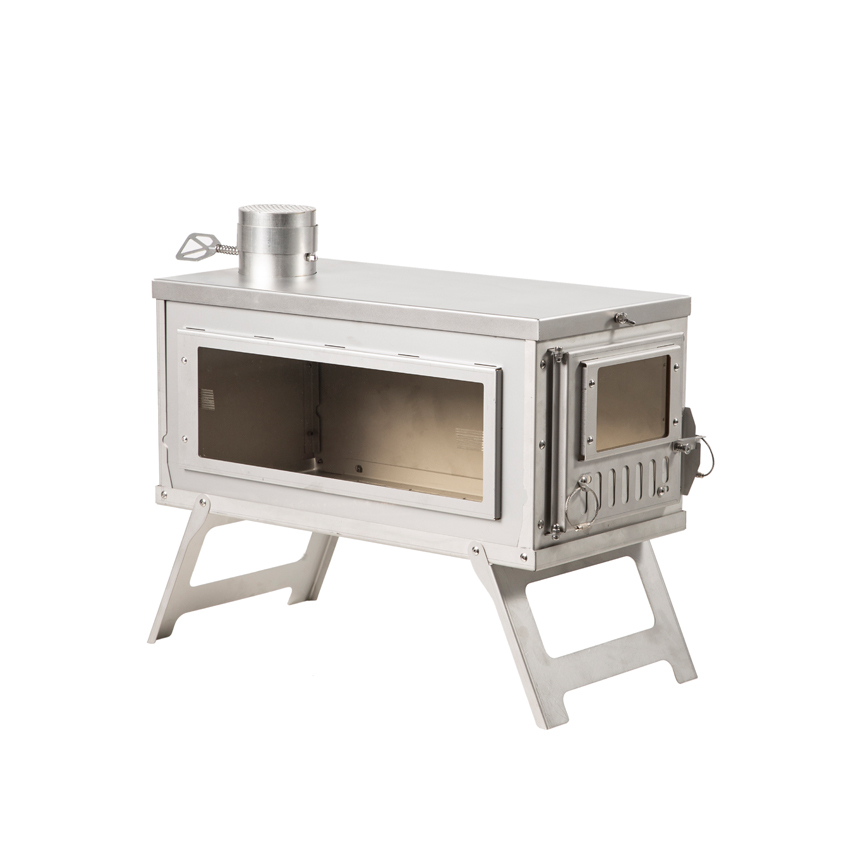
Turn Your Tent Into a Warm Cabin
Winter camping has a hard ceiling: the moment your sleeping bag can’t keep up with the temperature outside, the trip is over. The NatureStove Blaze pushes that ceiling down to well below zero. It’s a wood-burning tent stove designed specifically for hot tent setups — canvas wall tents, tipi shelters, and any shelter with a stove jack port. Load it with hardwood, and it’ll heat a 160 sq ft tent from freezing to shirt-sleeve comfortable in about 20 minutes.
But heat is only half the story. The Blaze also gives you a cooking surface in camp that doesn’t rely on propane canisters, liquid fuel, or batteries. The flat top reaches temperatures that boil water in under four minutes and can handle a cast iron skillet, coffee percolator, or pot of stew while simultaneously keeping your shelter warm.
Built for the backcountry
No minimum order
Down to -30°F
Heats any hot tent
Designed for Hot Tent Camping — Not Adapted From Something Else
Most tent stoves on the market are scaled-down versions of cabin stoves or wood-burning camp stoves that were never intended for enclosed shelter use. They overshoot on heat, lack spark protection, and have chimney systems that are afterthoughts. We started from scratch with a specific question: what does a stove need to do when your shelter is canvas, your floor is snow, and the nearest help is a three-hour drive?
- 2mm carbon steel firebox. Thick enough to handle sustained high-heat burns without warping, light enough to pack into remote camps. Carbon steel also heats faster than cast iron, which matters when you arrive at camp after dark and need warmth now, not in an hour.
- Large ceramic glass window. High-temperature borosilicate glass rated to 1,200°F. You can see the fire state — how much fuel is left, whether you need to adjust the damper — without opening the door and flooding the tent with smoke. It also throws radiant heat forward into the living space.
- Built-in spark arrestor. The top chimney section includes a mesh spark screen that catches embers before they exit the pipe. This is non-negotiable for tent use. A single spark on canvas or nylon can end a trip — or worse.
- Primary and secondary air controls. The front intake vent and a damper in the chimney section let you control burn rate precisely. Wide open for fast heat; dialed down for a slow overnight burn that keeps the tent warm while you sleep.
- Foldable legs. The four legs fold flat against the body for transport. Setup takes about two minutes. The legs raise the firebox 10″ off the ground — high enough to prevent snow melt and ground scorching.
The Cooktop Nobody Talks About
Most tent stove reviews focus on heating. But anyone who’s spent a winter weekend in the backcountry knows: cooking inside your shelter — where it’s warm — is a game changer. The Blaze’s flat top surface runs 500–700°F during normal operation. That’s enough to:
- Boil water for coffee, oatmeal, or freeze-dried meals in under 4 minutes
- Cook a full breakfast — eggs, bacon, pancakes — using a cast iron skillet
- Simmer a pot of chili or stew for hours on the cooler rear section of the top
- Dry wet gloves, boot liners, and socks on the warming rack (fold-out accessory, sold separately)
The cooktop integrates with our outdoor cooking accessories — the Cast Iron Cookware Set and Grill Grate Pro both sit flat on the surface.
Where It Excels
- Winter car camping — Set up a wall tent at a drive-up site, install the Blaze, and camp comfortably in any temperature your sleeping bag can’t handle alone.
- Overlanding base camps — When you’re parked for multiple nights at elevation. The Blaze packs flat behind a seat or in a roof box. 22 lbs total with pipes.
- Hunting camps — Early-season archery to late-season rifle. Stay in the field longer because the cold isn’t pushing you home.
- Emergency preparedness — A wood-burning heat source that doesn’t depend on grid power, propane, or electricity. Useful during winter power outages in rural areas.
Specifications
| Firebox Dimensions | 15″ × 8″ × 10″ (L×W×H) |
| Firebox Material | 2mm carbon steel |
| Glass Window | Borosilicate ceramic, 1,200°F rated |
| Chimney Pipe | 5 sections × 2.5″ diameter (63mm), 304 stainless |
| Total Chimney Height | 8.5 ft assembled |
| Heating Area | Up to 160 sq ft (15 m²) |
| Weight | 22 lbs (10 kg) complete with pipes |
| Packed Dimensions | 16″ × 9″ × 11″ |
| Leg Height | 10″ (foldable) |
| Included | Stove body, 5 pipe sections, spark arrestor, damper, carry bag |
Setup & Safety
Pro Tip: Always run your first fire outdoors. New stoves off-gas manufacturing oils during the initial burn-in, producing smoke and odor you don’t want inside a tent. Light a moderate fire outside for 45–60 minutes, let it cool, then the stove is ready for shelter use.
- Tent compatibility: Any tent with a stove jack (heat-resistant port) rated for 500°F+ chimney pipe. Canvas wall tents, tipi shelters, and purpose-built hot tents all work. Do not use in nylon backpacking tents without a rated stove jack.
- Chimney clearance: Pipe must extend at least 18″ above the tent peak. The included 5-section chimney (8.5 ft total) handles most standard wall tents. For taller shelters, add our Chimney Pipe Extension Kit.
- Ventilation: Always crack a vent or window slightly. Wood stoves consume oxygen — in a sealed tent, CO2 and carbon monoxide can accumulate. A battery-operated CO detector is mandatory safety equipment for any hot tent setup.
- Creosote prevention: Burn hot and dry. Low-temperature smoldering fires produce creosote buildup in the chimney, which is a fire hazard. Burn at a moderate-to-high rate and use dry hardwood. Inspect and brush the chimney pipe between trips.
- Clearance from combustibles: Maintain at least 18″ from tent walls, gear, and any flammable material on all sides of the stove body.
Frequently Asked Questions
Is it safe to use a wood stove inside a tent?
Yes, when done correctly. Hot tent camping has been practiced for centuries in Scandinavia, Russia, and northern Canada. Safety requires three things: a tent with a rated stove jack, adequate ventilation (cracked vent or window), and a battery-operated carbon monoxide detector. The Blaze includes a built-in spark arrestor to prevent embers from reaching tent fabric. Follow our setup guide and you’re well within safe operating parameters.
What tents work with this stove?
Any shelter with a stove jack rated for chimney pipe heat (500°F+). Popular options include canvas wall tents (Kodiak, Elk Mountain, White Duck), hot tent tipis (Pomoly, Luxe), and military surplus GP tents. Nylon tents without a stove jack are not compatible — the pipe melts through the fabric. The 2.5″ chimney diameter fits most standard stove jack openings.
How long does a load of wood last?
Depends on burn rate. At full blast (damper wide open), a load burns in 1–2 hours but produces maximum heat. With the damper closed to about one-third, you can stretch a load to 4–6 hours — enough for an overnight burn. Most campers load the stove before bed, set the damper low, and wake to warm coals they can quickly rebuild.
Can I use this stove outside a tent?
Absolutely. The Blaze works as a standalone outdoor cooking stove and heat source. The chimney creates a strong natural draft that pulls the fire hard — great for quick-boil cooking and warming a small outdoor seating area. You don’t need a tent to get value from this stove.
Does the chimney come apart for transport?
Yes. The chimney is five nesting sections that slide apart and store inside the firebox or in the carry bag. Total packed dimensions are 16″ × 9″ × 11″. The stove legs fold flat against the body. Everything fits in the included canvas carry bag.
What maintenance does the stove need?
After each trip: empty ash from the firebox, brush out the chimney pipe sections, and inspect the glass window for cracks. Between seasons: lightly oil the exterior with cooking oil to prevent surface oxidation on the carbon steel. The glass and spark arrestor are replaceable parts — contact us if either needs swapping.

Reviews
There are no reviews yet.