Why Seasoning Your Fire Pit Matters
If you’ve ever seen a fire pit covered in flaky rust after just one season, there’s a good chance it was never properly seasoned. Seasoning isn’t just for cast iron skillets — your steel or cast iron fire pit needs the same treatment to build a protective barrier against moisture, rust, and corrosion.
A well-seasoned fire pit develops a dark, even patina over time that actually makes it more resistant to the elements. Think of it as a natural armor that gets stronger with use. Here’s how to do it right from day one.
How to Season a New Fire Pit: Step by Step
Step 1: Clean the Surface
New fire pits often arrive with a thin coating of manufacturing oil or residue. Before the first burn, wipe down the entire interior and exterior with warm soapy water and a soft cloth. Rinse thoroughly and let it dry completely — any trapped moisture will work against you.
Step 2: Apply a Thin Coat of Oil
Use a high-smoke-point cooking oil: flaxseed oil, grapeseed oil, or vegetable shortening all work well. Apply a thin, even layer to the entire interior surface with a paper towel. The key word is thin — you want just enough to coat the metal, not pool or drip.
Avoid olive oil (smoke point too low) and motor oil (toxic fumes — this should go without saying, but we’ve seen it recommended online).
Step 3: The First Burn
Light a small fire using dry kindling and let it burn for 20-30 minutes. You’re not trying to have a raging bonfire here — a moderate flame is enough to bake the oil into the metal. You’ll notice some smoke as the oil polymerizes. That’s normal and expected.
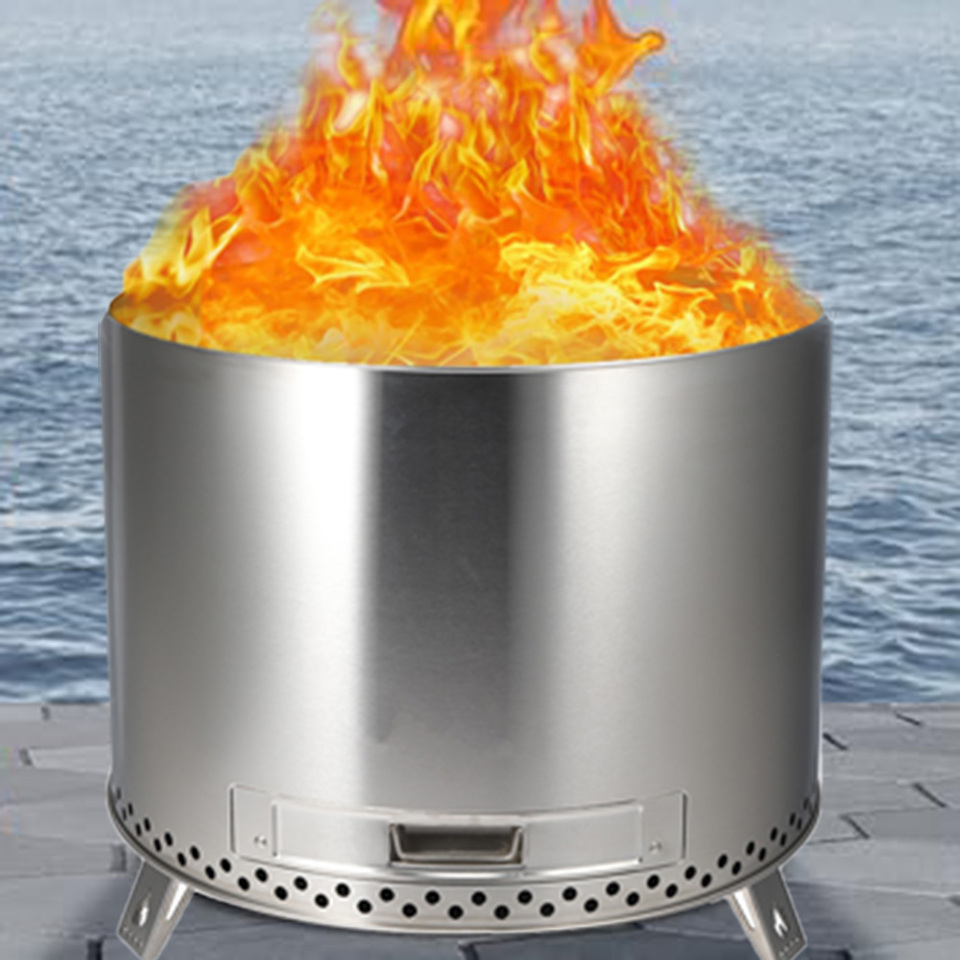
Let the fire pit cool completely, then repeat: apply another thin oil coat and do another 20-30 minute burn. Two to three cycles gives you a solid base layer of seasoning.
Step 4: Build the Patina Over Time
After the initial seasoning, every fire you burn adds to the patina. Within five to ten uses, you’ll notice the interior developing a deep, dark finish. This is exactly what you want — that patina is your fire pit’s best defense against rust.
Routine Maintenance: After Every Use
Good maintenance doesn’t have to be a chore. A quick routine after each fire keeps your pit in top shape:
- Let it cool completely. Never clean or cover a hot fire pit. Steel retains heat for 30-60 minutes after the last flame dies.
- Remove ash. Once cool, scoop out ash and debris. A thin layer of ash is fine and can actually help with future fires, but a thick buildup traps moisture.
- Wipe down with a dry cloth. Remove any moisture, sap residue, or food splatter (if you’ve been cooking over the fire).
- Cover it. A weather-resistant cover is the single best investment you can make for fire pit longevity. Even in dry climates, morning dew and unexpected rain will find exposed metal.

Seasonal Deep Maintenance
Spring: Pre-Season Inspection
Before the first fire of the season, inspect your pit for rust spots, warping, or cracks. Light surface rust can be removed with steel wool or a wire brush, followed by a fresh round of seasoning (oil + short burn). If you find deep pitting or structural cracks, it’s time for a replacement.
Summer: Regular Use
This is when your fire pit gets the most action. Stick to the after-every-use routine and you’ll be fine. If you’re using your pit for campfire cooking, clean food residue promptly — grease left on metal accelerates corrosion.
Fall: End-of-Season Prep
Before putting your fire pit away for winter (or if you live where winter fires are rare), do a thorough cleaning: remove all ash, wash with warm soapy water, dry completely, apply a heavier coat of oil than usual, and store in a dry location. If outdoor storage is your only option, use a quality cover and elevate the pit off the ground to prevent moisture wicking.
Winter: Storage or Cold-Weather Use
If you’re a year-round fire pit user — and we encourage it — the routine stays the same. Just be extra diligent about covering between uses, since snow and ice are particularly hard on exposed metal. For tips on cold-weather fires, see our safety guide.
Common Mistakes That Kill Fire Pits Early
- Using water to extinguish. Dumping water on a hot steel fire pit causes thermal shock that can warp or crack the metal. Let it burn out naturally, or smother with sand.
- Leaving ash in a wet environment. Wet ash creates lye, which is corrosive to metal. Always remove ash before rain or before covering.
- Skipping the cover. Uncovered fire pits exposed to weather degrade 3-5x faster than covered ones.
- Burning treated wood or trash. Treated lumber, painted wood, and household trash release chemicals that damage the fire pit’s interior and create toxic fumes. Stick to dry, seasoned hardwood.
- Over-filling. Flames should stay below the rim. Over-filling causes heat damage to the upper walls and creates a fire hazard.
What About Stainless Steel Fire Pits?
Stainless steel pits (like NatureStove’s smokeless fire pit line) need less seasoning than carbon steel or cast iron, but they still benefit from regular maintenance. The main concern with stainless is heat discoloration — that blue-gold tinge that appears after high-heat burns. It’s purely cosmetic and doesn’t affect performance. If it bothers you, a stainless steel cleaner will remove it.
The NatureStove Fire Pit Accessory Kit includes a protective cover and cleaning tools to make maintenance even easier.
The Bottom Line
Twenty minutes of seasoning when your fire pit is new, plus five minutes of cleanup after each use — that’s all it takes to keep your fire pit performing for years. The investment is tiny compared to replacing a rusted-out pit every season.
